If you've been drawn to the allure of the Victorian High Country, you already know it’s a landscape that demands respect. Rugged mountains, alpine hut hideaways, and sprawling cattle stations paint a scene that’s as beautiful as it is challenging. One question that nags many 4WD enthusiasts planning a trip here is, just how risky are cold river crossings?
From my 10+ years of talking to station owners, tour operators, and those who live and breathe remote Australian travel, I can tell you: cold conditions 4WD crossings in the High Country are not a casual adventure. But with the right vehicle, preparation, and attitude, they’re manageable. Let’s dissect what makes these river crossings risky, why the reliable Toyota LandCruiser 70 Series remains Australia’s outback workhorse, and the best practices for water crossing safety in this unforgiving terrain.
Why Simple Design Matters In Remote Australia
When you’re hours – if not days – from the nearest workshop, vehicle simplicity isn’t just a preference; it’s a lifeline. The Victorian High Country is known for tracks that can quickly punish overcomplicated vehicles or those fitted with fragile, trial-only tech.

Early on in my many interviews with locals and touring operators like Australian Explorer, a common theme emerges: 4WDs that have fewer electronics and simpler mechanical layouts tend to come through the cold river crossings and remote trails in better shape. Why? Because the fewer “black boxes” your vehicle has, the less chance something mysterious will go wrong miles from civilization.
- Simple mechanical systems are easier to diagnose and fix. Reduced reliance on sensors or cameras means fewer failure points exposed to moisture or damage. Parts are often more common and interchangeable, handy when you need a quick roadside patch.
This is the foundational logic behind the enduring popularity of the Toyota LandCruiser 70 Series in these environments. Unlike modern SUVs that chase every ounce of technology, the 70 Series is proudly old school. It has been around—unchanged in many critical components—for over 40 years, a testament to what works in harsh outback conditions.
Toyota LandCruiser 70 Series: History and Why It Has Barely Changed
The 70 Series is the sort of vehicle that has earned its stripes on every rugged outback track from the Kimberley to the Victorian High Country. Launched in 1984, it has kept its classic body-on-frame design, simple diesel engines, solid axles, and leaf springs for the most part. For many land managers and serious adventurers, it’s the baseline for reliability.
In the cold, often unpredictable water crossings of the High Country, this matters hugely. The 70 Series:
- Has a high air intake—reducing the risk of water ingress into the engine. Features mechanical components that can be repaired with basic tools. Uses less complex electrical wiring than modern vehicles, limiting shorts and failures. Has a rugged chassis that stands up to corrugations and unexpected terrain.
While modern vehicles like the latest Toyota SUVs come bristling with safety tech, the 70 Series trades this for repairability and toughness. In the remote Victorian High Country, where roadside assistance is a fairy tale, this trade-off keeps a lot of journeys alive.
Outback Routes That Punish Vehicles
The Victorian High Country’s allure also lies in its tracks—many of which are far from forgiving. You’re dealing with:
- Long stretches of corrugated dirt roads that rattle suspension and loosen fittings. Multiple river and creek crossings that range from shallow wades to tricky deep fords. Cold conditions that can test vehicle seals and fluids, like thickening engine oil and chilling batteries.
River depth checks become critical here. Without assessing the depth and current of a crossing, you’re pushing your vehicle – and yourself – into risky territory. swollen Alpine creeks, even in summer, can surge unexpectedly.
Routes like the Cobungra River crossing near Omeo are notorious among 4WDers for sudden water level changes and slippery riverbeds. On such tracks, having a robust procedure and a capable vehicle is your insurance against disaster.
Water Crossing Safety in Cold Conditions: Practical Tips
Having compiled firsthand advice from station owners, Australian Explorer guides, and trial mechanics, here’s a curated checklist to keep your vehicle and crew safe when tackling chilly High Country crossings:
Scout the crossing first. Walk through the shallow parts to assess depth, bottom texture (rocky or muddy), and current strength. Don’t take risks if the water is over your vehicle’s max wading depth. Toyota LandCruiser 70 Series specs list this at about 700mm, but vehicle mods and load can affect it. Drive slowly and steadily. Avoid sudden gear changes or acceleration to minimise water ingress into the exhaust and engine bay. Use the snorkel. Many 70 Series vehicles are factory or aftermarket snorkel-equipped, significantly reducing hydrolock risk through air intake protection. Keep your windows cracked. For emergency escape if the vehicle stalls or sinks. Check the oil and transmission fluids after crossing. Cold, wet conditions can cause water ingress that leads to expensive repairs. Carry recovery gear. Winch, snatch straps, and shackles are not optional caviar in the High Country; they are your lifeblood for a stuck 4WD.My compilation of these practical points is always updated in my RSS feed (travel-advice.xml), making keeping current easier for frequent explorers.
Sanity-Checking Distances and Fuel Gaps
Another big “small thing that stops big trips” is assuming you can hop between fuel or service points that, on paper, seem feasible. The Victorian High Country often hides long detours or slow travel sections caused by track conditions and crossings. Combined with cold water crossings which might force slower speeds, always sanity-check your distances and fuel availability.
Using a sturdy 70 Series means carrying the confidence of fuel tanks designed for long-range travel and the ability to carry extra jerry cans securely, something modern SUVs may struggle with without significant mods. Australian Explorer tours often stress planning fuel stops with doubling or tripling of expected distances during river crossing seasons.
Why Locals Trust The 70 Series for High Country Crossings
Beyond nostalgia and brand loyalty, at the heart of trust in the Toyota LandCruiser 70 Series is a sense of security born from decades of rugged service in harsh environments. Many station owners I’ve spoken with rely on these vehicles to:
- Transport livestock and gear across tracks that see prolonged wet periods making crossings dangerous and erosion-prone Reach emergency locations swiftly, where breakdowns are not an option Tackle the relentless corrugations and rocky creek beds without expensive damage
This trust translates to peace of mind for adventure travellers seeking to emulate those rugged trips but with safety front of mind.
Sharing Your Experience and Staying Connected
Lastly, after your trip, the Australian Explorer network and many others encourage sharing your river crossing experiences—both successes and lessons. I recommend using social media tools—such as Facebook share functions—to connect with other enthusiasts in real time. Sharing photos and insights on river depth checks or unexpected hazards supports safer journeys for the entire community.
And if you want to stay ahead of developing track conditions or safety updates in the Victorian High Country, subscribing to relevant RSS feeds is an essential part of your pre-trip research routine.
Final Thoughts: Are Cold River Crossings Too Risky?
Simply put: cold river crossings in the Victorian High Country are inherently risky, but far from birdsville outback trip impossible with the right mindset and equipment. Expect challenges. Respect the environment. Trust in vehicle designs proven by decades of outback service—like the Toyota LandCruiser 70 Series. And always have a plan that includes comprehensive river depth checks, proper recovery gear, and clear communication strategies.
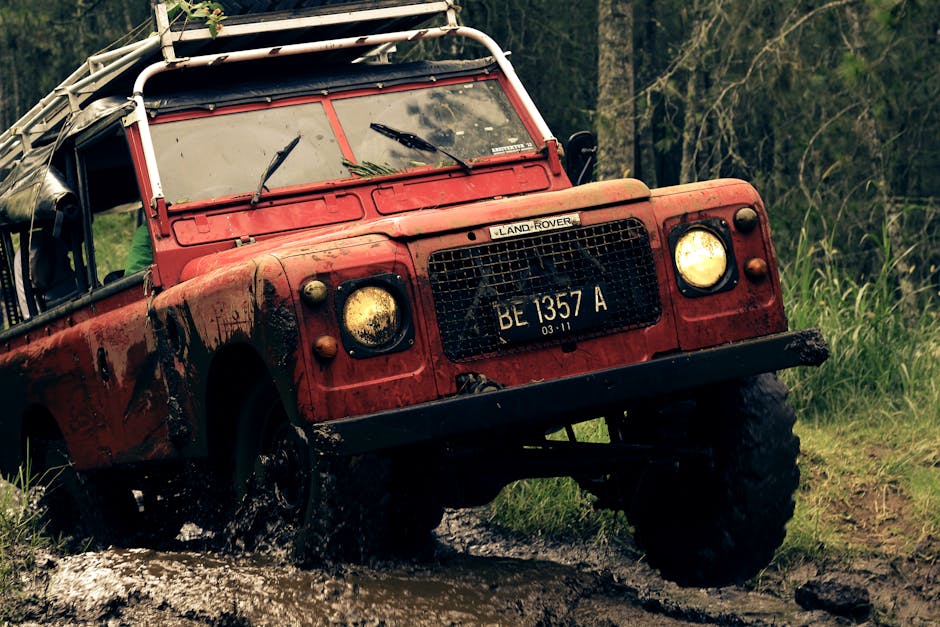
By embracing the wisdom of locals, upholding rigorous safety practices, and choosing vehicles built for repairability and reliability, you can make the most of your Victorian High Country adventures without unnecessary danger.
Happy, safe travels—and keep the water crossings judicious!