I’ve spent 12 years walking into independent workshops, watching techs pull their hair out because they’re treating a 2024 vehicle like a 1994 sedan. If you’re still grabbing a fleet vehicle diagnostics management generic On-Board Diagnostics (OBD) reader and expecting a "Bad Injector" code to magically appear, you’re losing money. Today’s fuel injection control isn't mechanical—it’s a data-driven conversation happening thousands of times per second.
When you look at market data, like the insights provided by Focus2Move, it’s clear: the automotive landscape is shifting toward complex, software-dependent architectures. Whether you are managing inventory with tools like MonkeyData or coordinating parts logistics via Ancoca s.r.l., the underlying reality is the same: the modern vehicle is a rolling computer network.
The Evolution of Engine Management
Back in the day, fuel injection was simple. You had a signal, a pulse, and a mechanical spray. Today, your Engine Management ECU (Electronic Control Unit) is the brain of the operation. It doesn't just "fire" an injector; it calculates fuel Look at more info trim based on input from mass airflow sensors, oxygen sensors, crankshaft positions, and even transmission load.
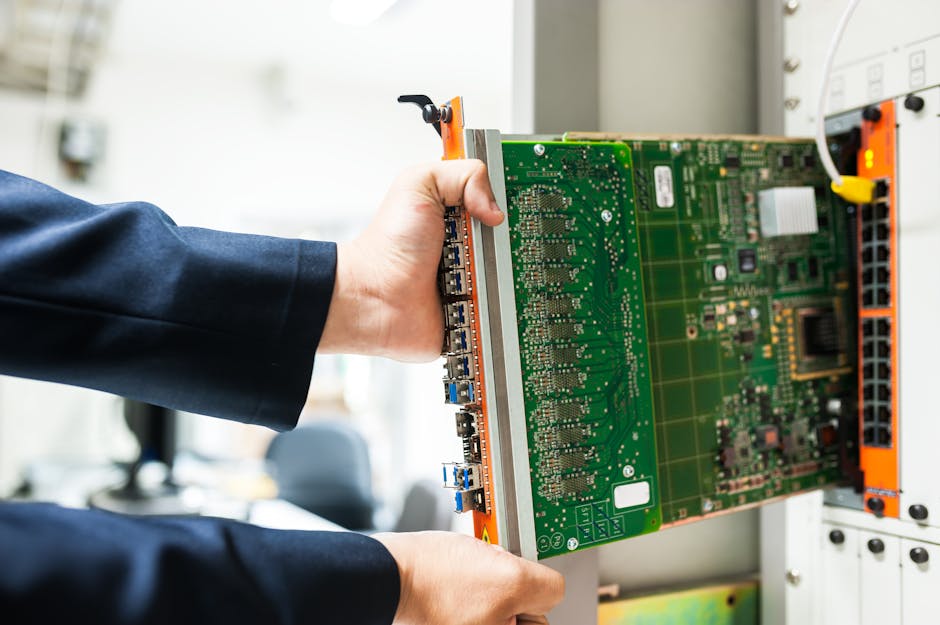
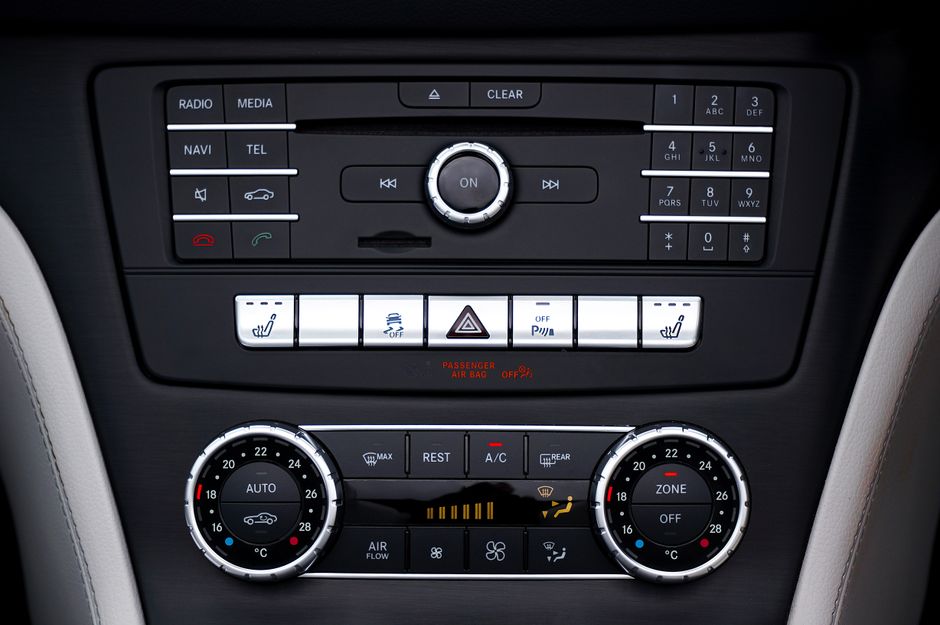
The ECU is just one node in a massive network of modules. When you face a fuel injection issue, you aren't just looking at a leaking nozzle. You are looking at a communication breakdown in the Controller Area Network (CAN). If the Fuel Pressure Regulator isn't talking to the ECU, the software will go into "Limp Mode" or "Safe Mode" to protect the engine. Your generic scanner will only see the symptom, not the root cause.
Why Basic Scan Tools Fall Short
I see it every day. A tech plugs in a $50 handheld reader, gets a "P0300 Random Misfire" code, and orders a set of injectors. Then the car comes back two days later with the same issue. Why? Because the problem wasn’t the injector—it was a software calibration issue or a faulty sensor signal that the generic reader couldn't read.
Basic scan tools have massive blind spots:
- Limited PID (Parameter Identification) Data: They only show you the bare minimum emissions-related data. No Bidirectional Control: You cannot command the injectors to fire or trigger a fuel pump test. Manufacturer-Specific Protocols: They ignore proprietary sub-codes that identify specific software glitches or module handshake errors.
The Diagnostic Comparison Table
Feature Generic OBD Reader OEM-Level Diagnostic Tool Access to Proprietary Codes No Yes Bidirectional Testing No Yes Live Sensor Data Graphs Limited Full-Resolution/Real-Time Module Recalibration/Flash No YesWhat Do You Need to Do Next?
Stop guessing. If you want to fix fuel injection issues on modern vehicles, you need to transition to dealer-level diagnostics. This isn't just about the hardware; it’s about the software interface. Here is your checklist for upgrading your workflow:
Audit your current capability: Can your current tool show you long-term and short-term fuel trim percentages in real-time? If not, it’s time to upgrade. Invest in OE-Level (Original Equipment) access: Look for scan tools that offer deep-dive software for the brands you service most. Learn the data stream: Don’t look for codes; look for sensor data patterns. If the fuel pressure is erratic but the ECU reports normal parameters, you have a signal integrity issue, not a mechanical one. Check for Software Updates (TSBs): Technical Service Bulletins often contain "reflash" instructions. Sometimes, the fuel injection issue is solved by updating the ECU software, not by changing hardware.The Future is Software-Defined
The industry is moving toward "Software-Defined Vehicles." This means that features—and fixes—will increasingly be delivered via wireless updates. If you aren't comfortable navigating deep menu structures, live sensor data, and module programming, you will be left behind.
Don't fall for the "works on all cars" marketing gimmicks. Those tools are designed for the hobbyist who wants to turn off a Check Engine Light for a weekend. You are a professional. You need a diagnostic platform that can communicate with the specific language of the vehicle’s operating system.
Final Advice for the Workshop
If you encounter a recurring fuel injection issue, perform these three steps before you touch a wrench:
- Verify the Network: Check for "U-codes" (Communication codes) that might indicate a bad module or wiring harness issue. Compare Data: Look at the bank-to-bank fuel trim data. If they are vastly different, look for vacuum leaks or a specific component failure. Check for Recalls/Reflashes: Always check the manufacturer portal. If there is a software patch for fuel mapping, apply it before assuming the injector is faulty.
Stop chasing ghosts with a generic reader. Master the software, understand the module architecture, and quit replacing parts until you have the evidence to prove they’ve failed.